Batching vs Building: Choosing a Practical Weeknight Dinner Strategy
When evenings are busy, two approaches tend to win: batch cooking—preparing components or whole meals ahead of time—and ingredient‑forward assembly—keeping a small set of reliable staples and composing fresh meals on short notice. Both reduce decision fatigue and can improve flavor and nutrition, but they do so in different ways. Below I compare their core principles, give short, concrete examples, and offer a practical guide to choosing which to try first.
Approach 1: Batch Cooking (Make Once, Eat Several Times)
Principle: Invest time in a single session to multiply easy meals later. Batch cooking reduces nightly effort by concentrating active work into one block—often a weekend 60–120 minute session.
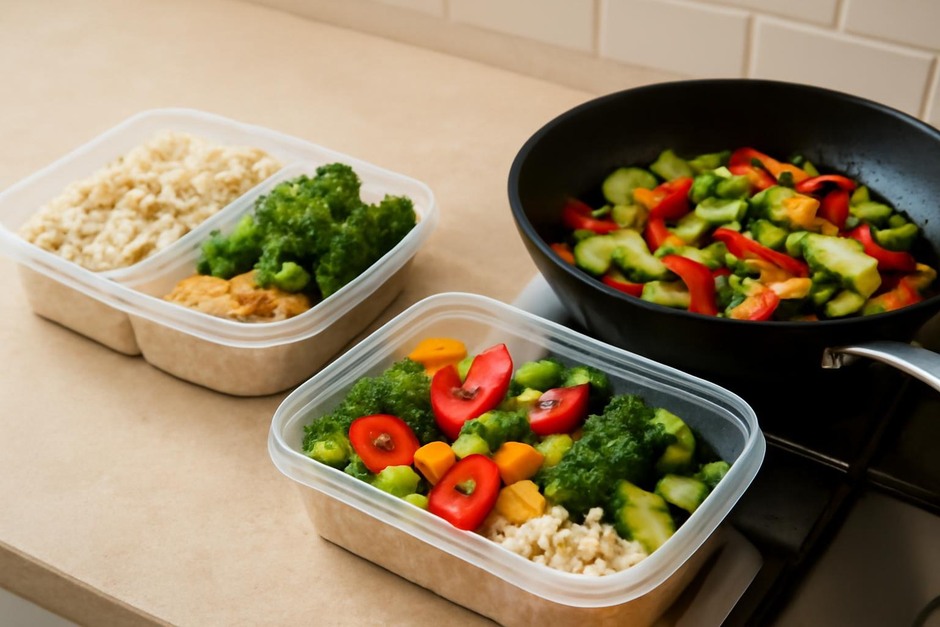
Small example: In 90 minutes you roast two whole chickens (or 4–6 thighs), a tray of root vegetables, and a big pot of brown rice. From this you can assemble:
- Night 1: Warmed chicken, rice, roasted carrots, and a simple green salad.
- Night 2: Shredded chicken tacos with quick slaw and salsa.
- Night 3: Chicken and vegetable fried rice.
Strengths: Predictable dinners, lower nightly decisions, efficient use of oven/stove, easier shopping lists. Weaknesses: Risk of boredom, food-safety constraints, requires storage space and upfront time.
Approach 2: Ingredient‑Forward Assembly (Pantry + Fresh Staples)
Principle: Keep a small set of versatile staples and fresh, fast ingredients to build meals in 15–30 minutes. This emphasizes flexibility and freshness over pre‑made components.
Small example: Stock a pantry with grains, canned beans, olive oil, soy sauce, and a few condiments; keep a rotating selection of fresh vegetables and a蛋or two. With those you can make:
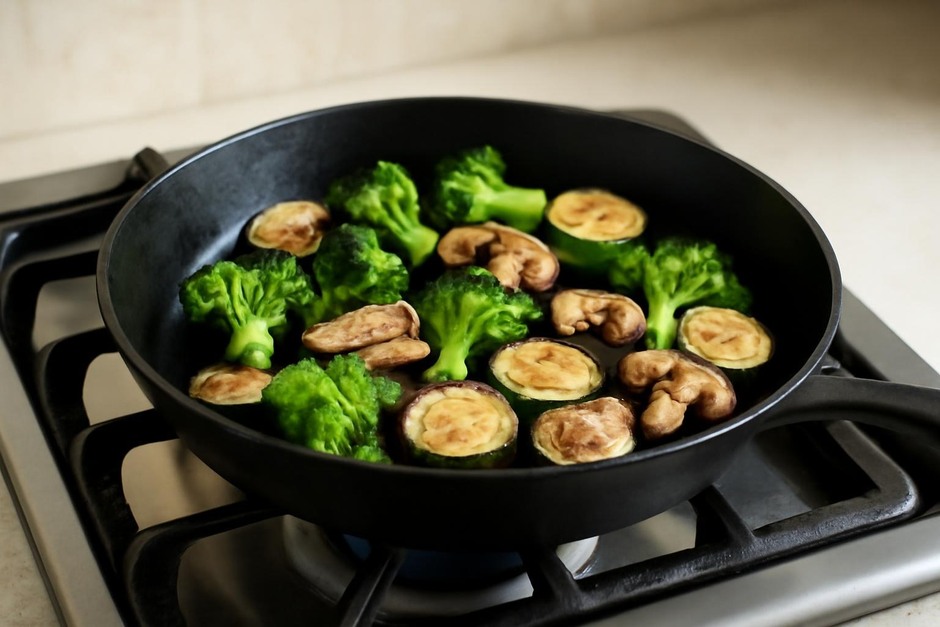
- Stir‑fried rice noodles with spinach, mushrooms, and a garlicky soy glaze.
- Chickpea and tomato skillet with spinach and feta, served over quick couscous.
- Open omelet with sautéed zucchini and herbs, side of toasted bread.
Strengths: Fast, adaptable to cravings, minimal storage needs, often fresher textures. Weaknesses: Requires regular shopping rhythm and higher nightly decision load.
Compare the Tradeoffs
- Time allocation. Batch cooking front‑loads time; assembly spreads short tasks through the week.
- Variety vs predictability. Batching can feel repetitive unless you plan variety; assembly is inherently varied but can be stressful if supplies run low.
- Storage and equipment. Batching needs containers and refrigerator/freezer space; assembly benefits from a well‑stocked pantry and a couple of reliable fresh items.
- Food waste. Batching can reduce or increase waste depending on portioning; assembly tends to produce less waste if you buy small amounts of fresh ingredients regularly.
- Energy and cost. Batching uses cooking energy more efficiently in one session; assembly might use more frequent short bursts but can avoid the bulk purchase of proteins.
Quick Experiments to Try Both
- Batch test: Pick one evening to cook for 90 minutes. Prepare one hearty protein, one grain, and two vegetable preparations. Note how many distinct dinners you can assemble and what feelings (boredom, gratitude, relief) arise.
- Assembly test: For three weeknights, buy minimal fresh produce and rely on pantry staples. Time each meal and note decision points and whether you enjoyed the meals.
How to Choose — A Simple Decision Checklist
Answer these briefly to see which approach suits your household right now:
- How predictable is your week? (High predictability favors batching.)
- Do you have 60–120 minutes once a week you can reliably reserve? (Yes favors batching.)
- How much fridge/freezer space do you have? (Limited space favors assembly.)
- How important is nightly variety to your household? (High variety favors assembly.)
- Do you enjoy the ritual of a longer cooking session? (If yes, batching can be pleasant rather than a chore.)
If your answers point in different directions, try a hybrid: batch one or two versatile components (a grain and a roasted vegetable) and keep a strong pantry for quick assembly. For example, roast a big tray of vegetables on Sunday and pair them with different proteins or beans across the week for variety with low nightly effort.
Both methods aim for the same goal: make weeknights calmer and meals better. The right choice is the one that fits your time, space, and appetite for decision making. Try one small experiment, observe what changes, and adjust. A little iteration will reveal the balance that feels easiest and most satisfying in your home.